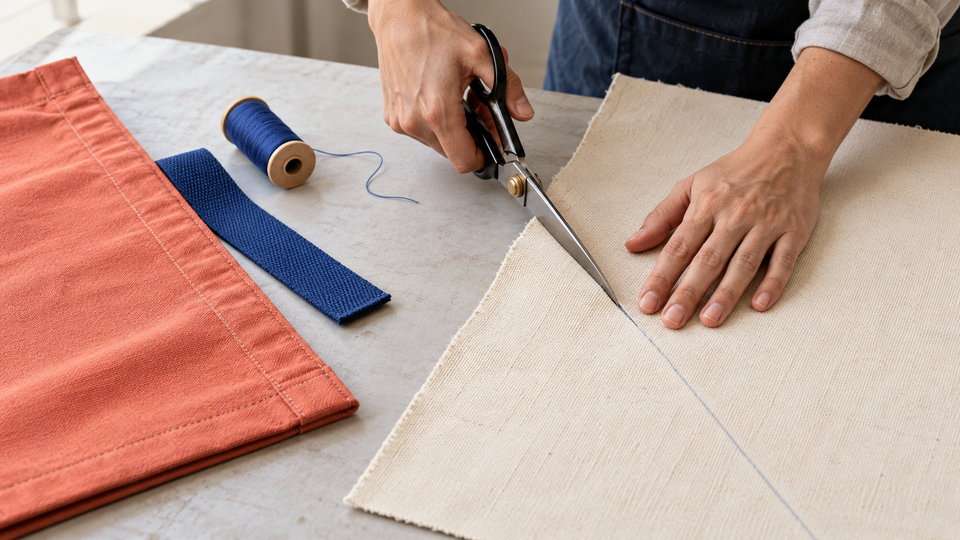
About Customizations
Our customization pages do not cover every possibility. Learn how to describe an additional feature, explain its purpose and identify the design details that affect whether it will work.
Explore
Explore materials, closures, colors, construction details and other customization options and add-ons.
Our customization pages do not cover every possibility. Learn how to describe an additional feature, explain its purpose and identify the design details that affect whether it will work.
Explore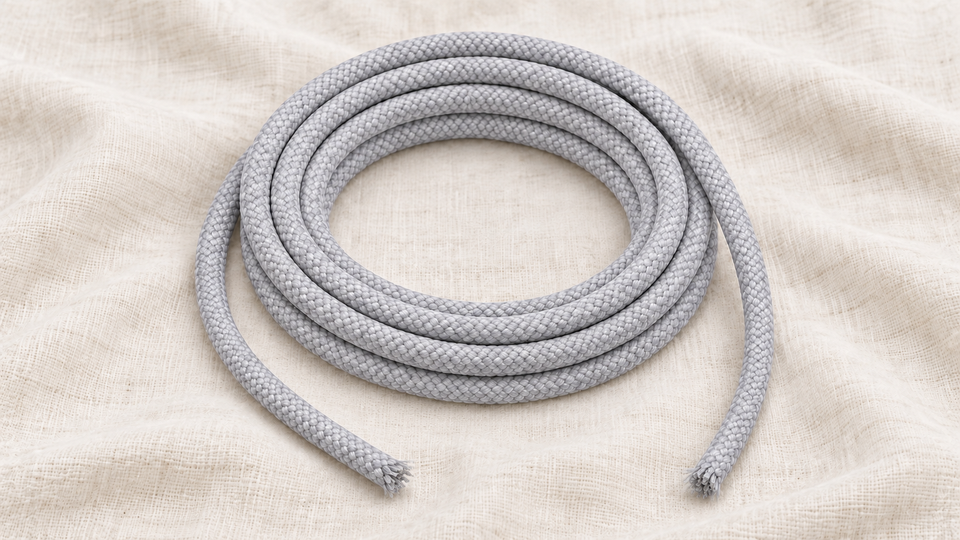
Add texture and color to your bags with braided polyester cords, a versatile drawstring option for gift packaging, travel organizers and everyday storage.
Explore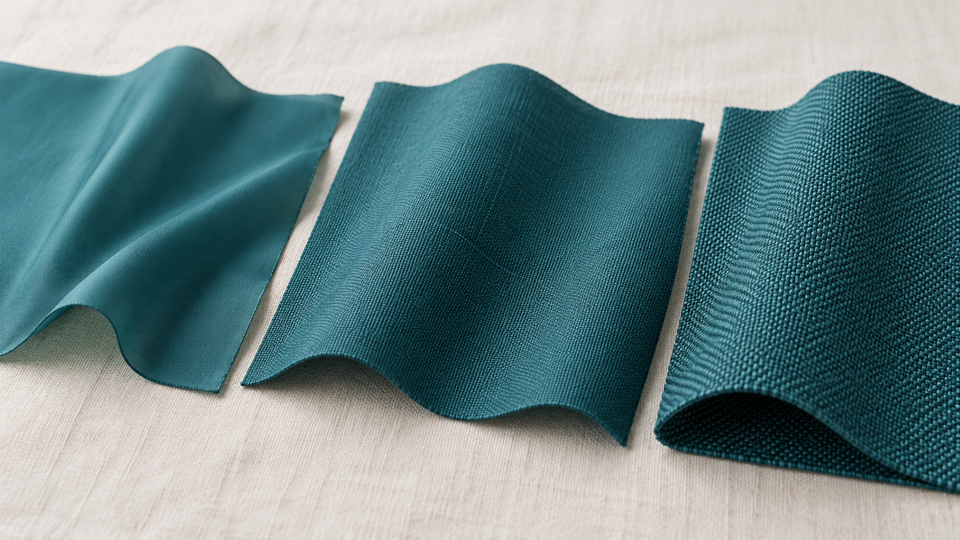
Denier measures the mass in grams of 9,000 meters of yarn. High denier does not automatically mean a fabric is indestructible. The weave tightness and material quality matter too, but denier tells you how much raw material and thickness went into the yarn itself.
Explore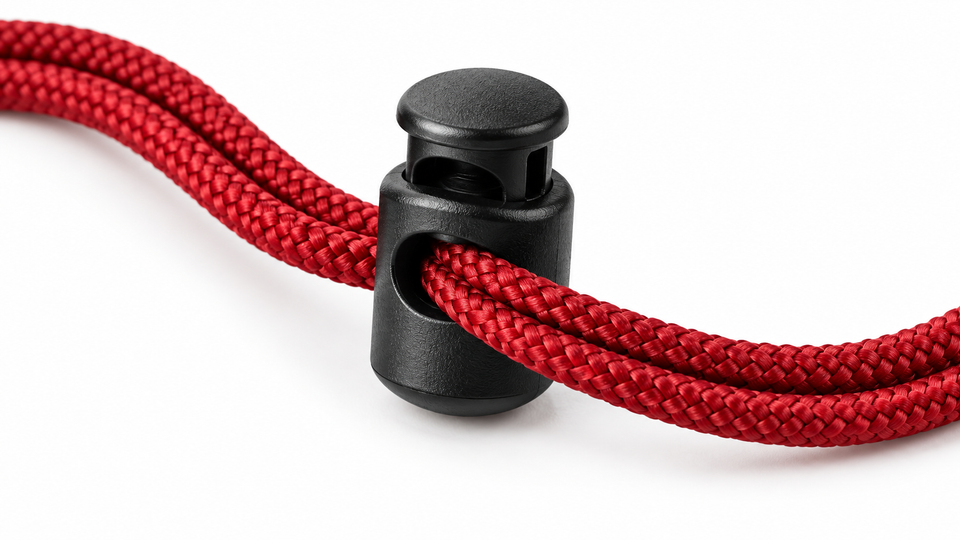
Cord locks keep drawstring bags closed while allowing easy adjustment. Explore plastic and metal designs, cord compatibility and options for different bag styles.
Explore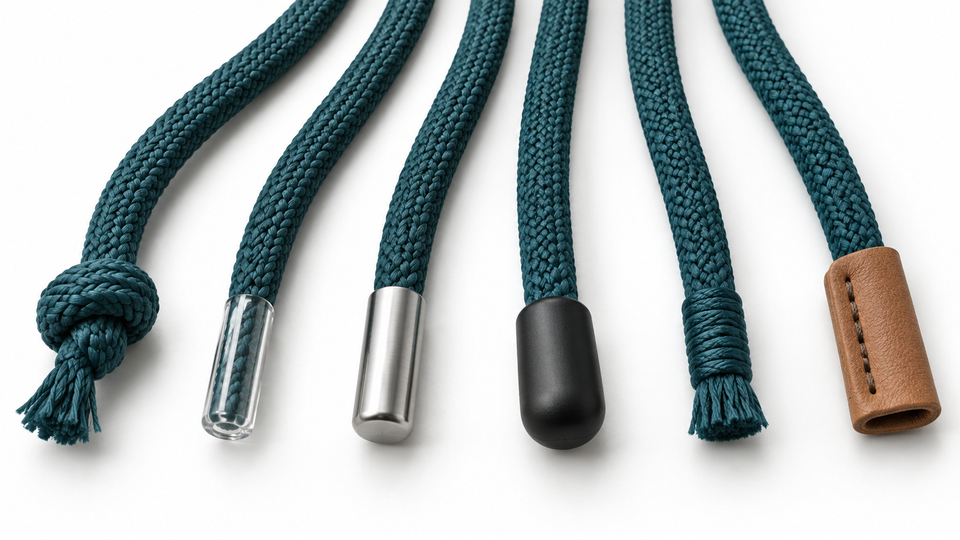
Compare drawstring cord-end finishes, including knots, sealed tips, metal caps, tabs, and tassels, for custom bags and pouches.
Explore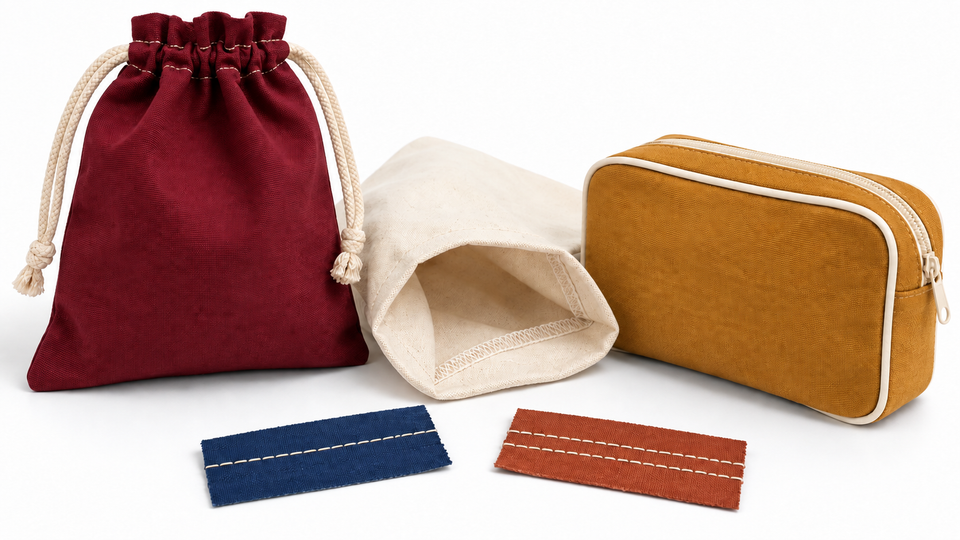
Understand the stitches and seam finishes that shape your bag. Learn how straight stitching, overlock, reinforcement, drawstring channels and piping affect strength, appearance and everyday use.
Explore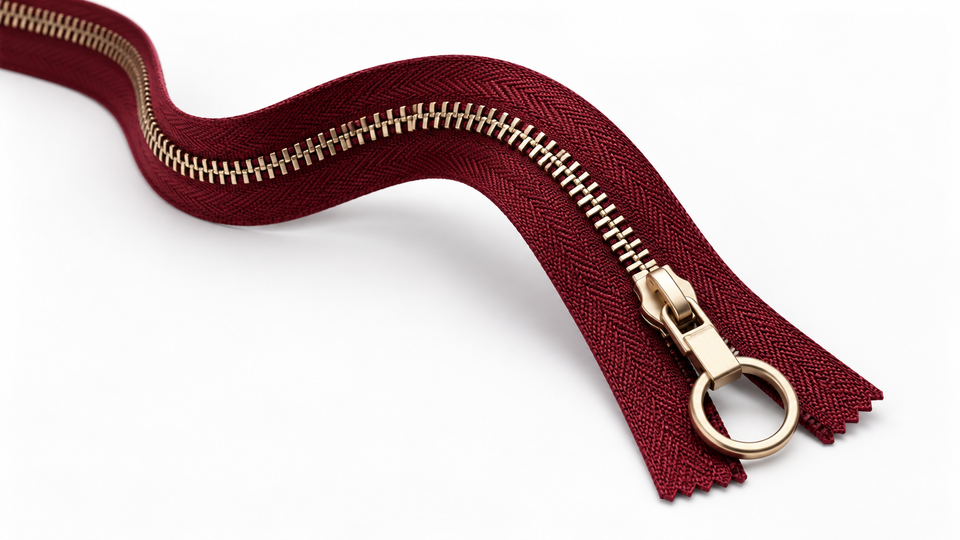
Zippers come in different materials, sizes, colors, sliders, and pull designs. Learn how these choices affect the look, feel, and function of a custom bag.
Explore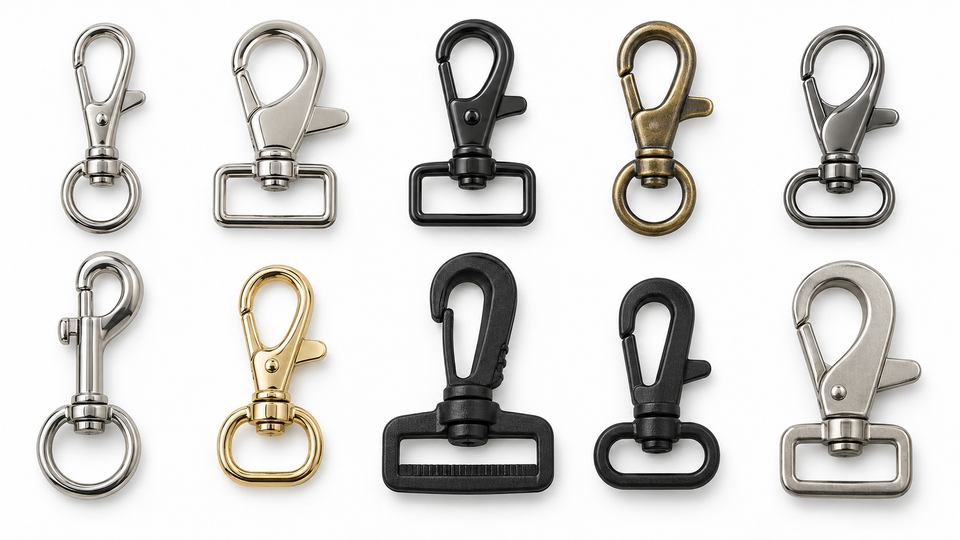
Compare carabiners, swivel clips, rings, and fabric attachment loops for drawstring bags and zipper pouches. Learn how loop length, fitting size, and stitching affect everyday use.
Explore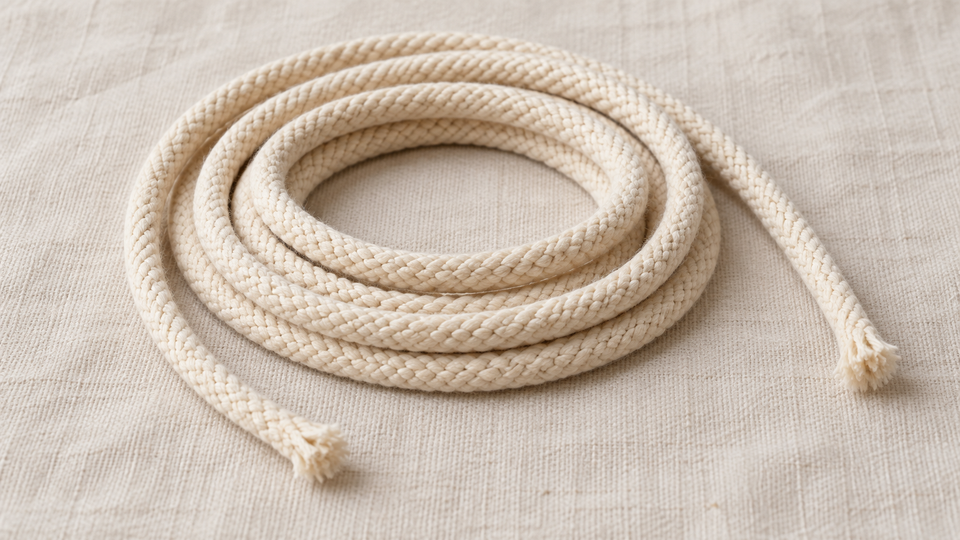
Cotton cords give drawstring bags a soft feel and natural finish. Compare round and flat shapes, different constructions, and end finishes to choose a cord that suits your bag.
Explore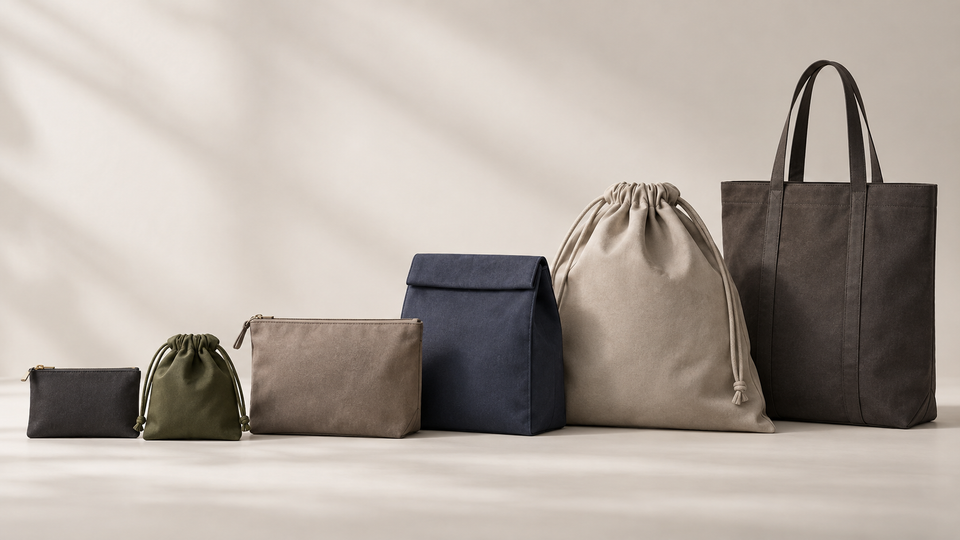
Develop custom bag dimensions around your products, with practical fitting allowances and matching sizes for a coordinated range.
Explore
Choose stock fabric colors or explore custom dyeing and physical color matching for bags that complement your brand and product range.
Explore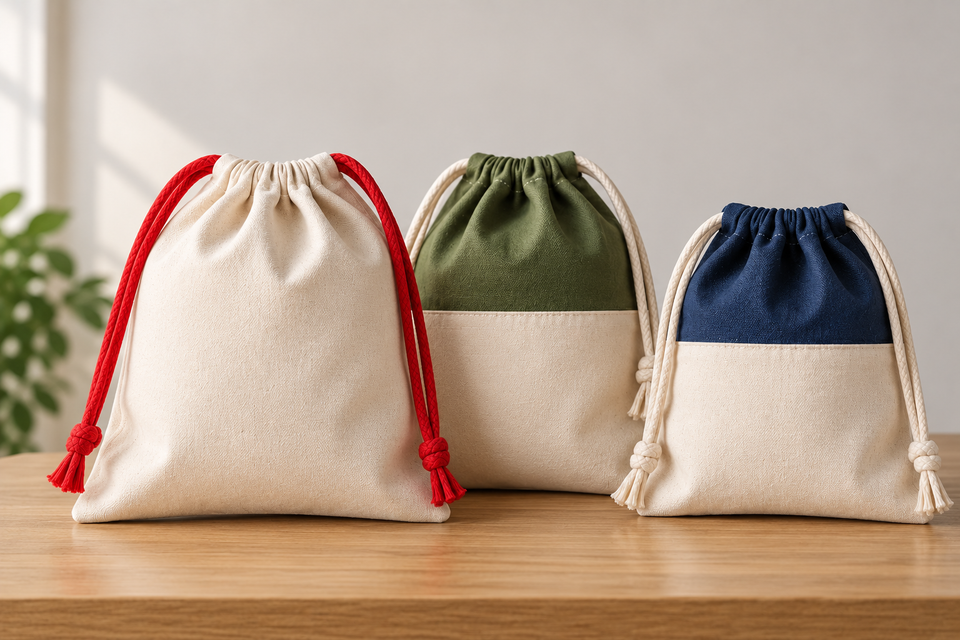
Combine fabric panels, hems, cords, stitching and linings to give custom bags a coordinated palette or a distinctive contrasting finish.
Explore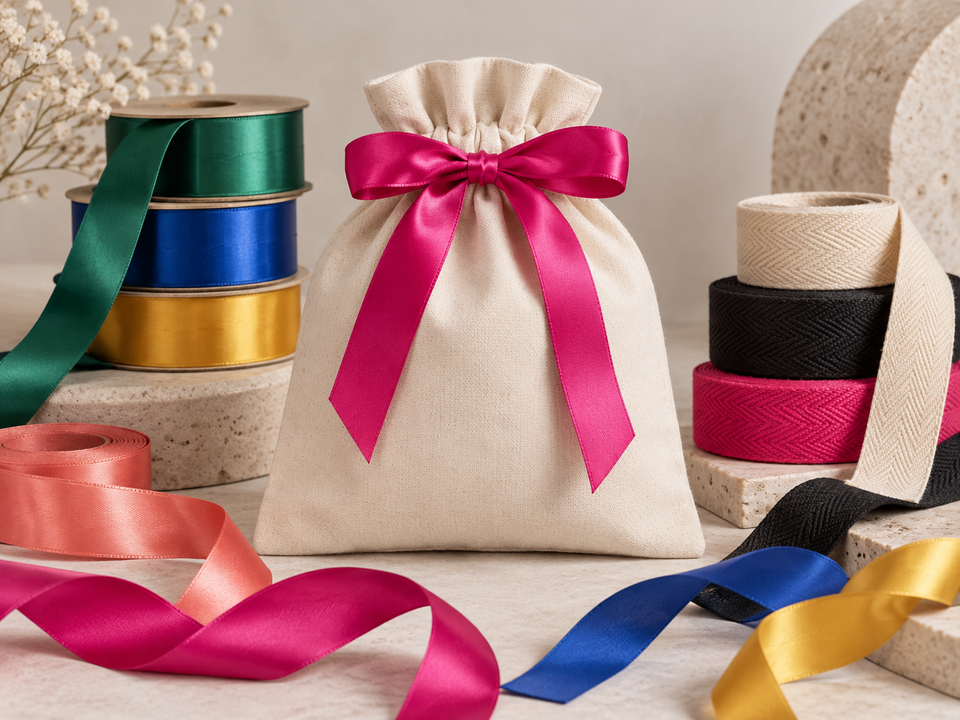
Explore satin ribbons and cotton twill tapes in different widths, colors and finishes for decorative or understated drawstring closures.
Explore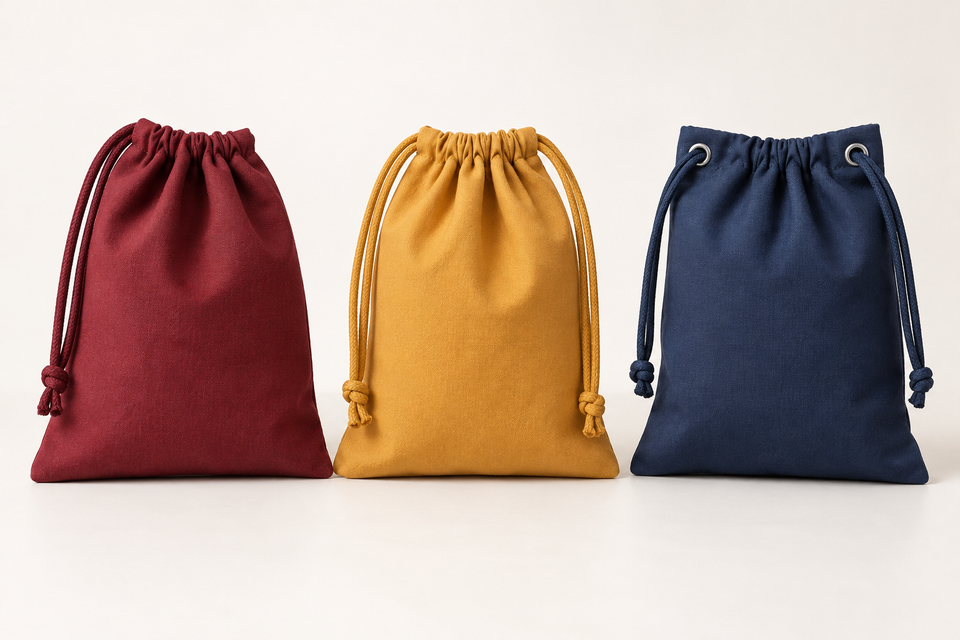
Choose single-sided or double-sided drawstring closures, with cord routing, exit positions and channels developed around your bag.
Explore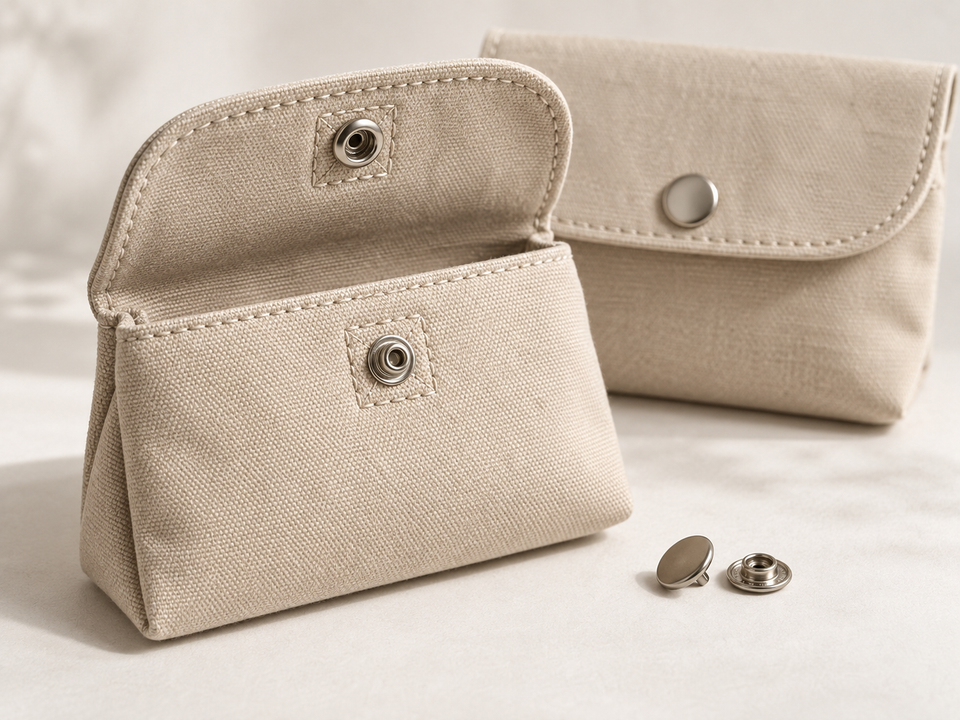
Choose metal or plastic press studs with coordinated caps, practical placement and suitable reinforcement for a defined closing point.
Explore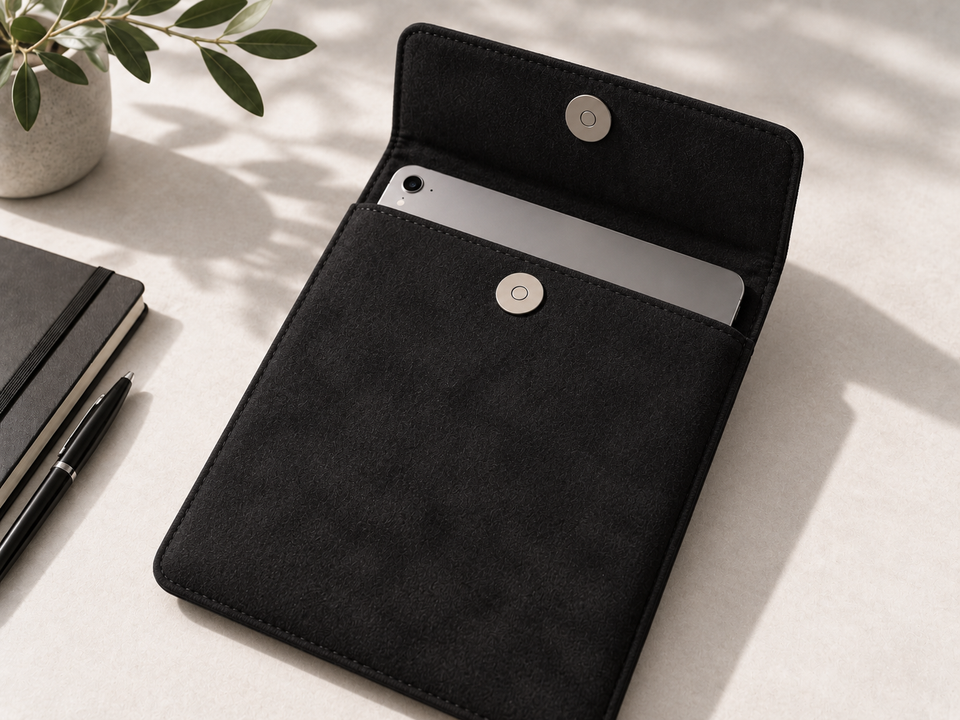
Explore visible and concealed magnetic closures, with placement, holding action and attachment developed around the bag construction.
Explore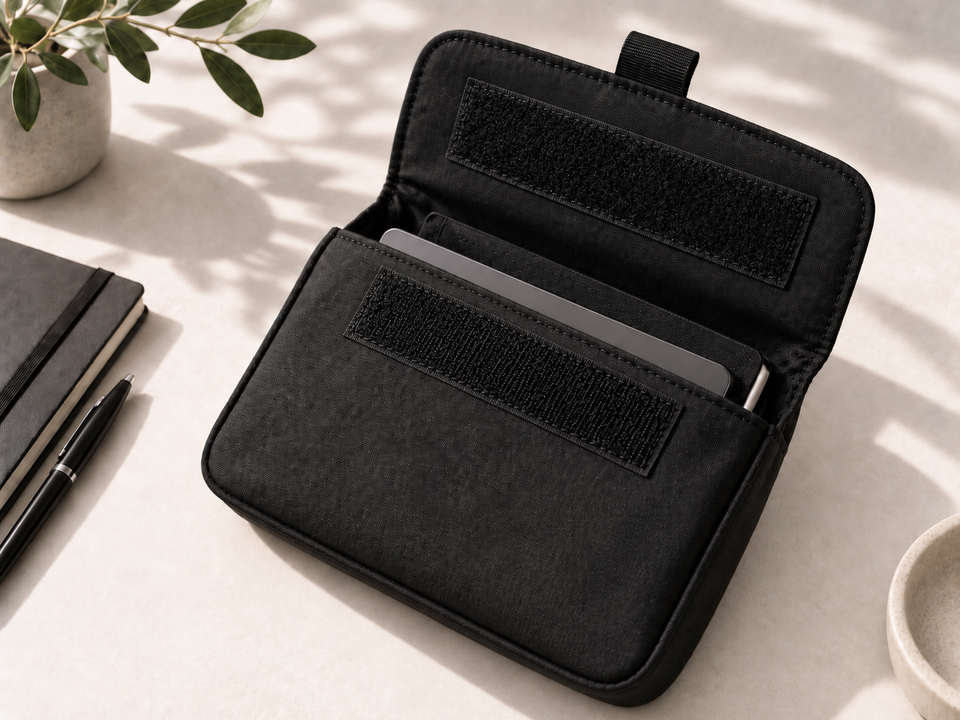
Explore sewn hook-and-loop closures with practical strip sizes, placement, colors and pull tabs for easy-access bags.
Explore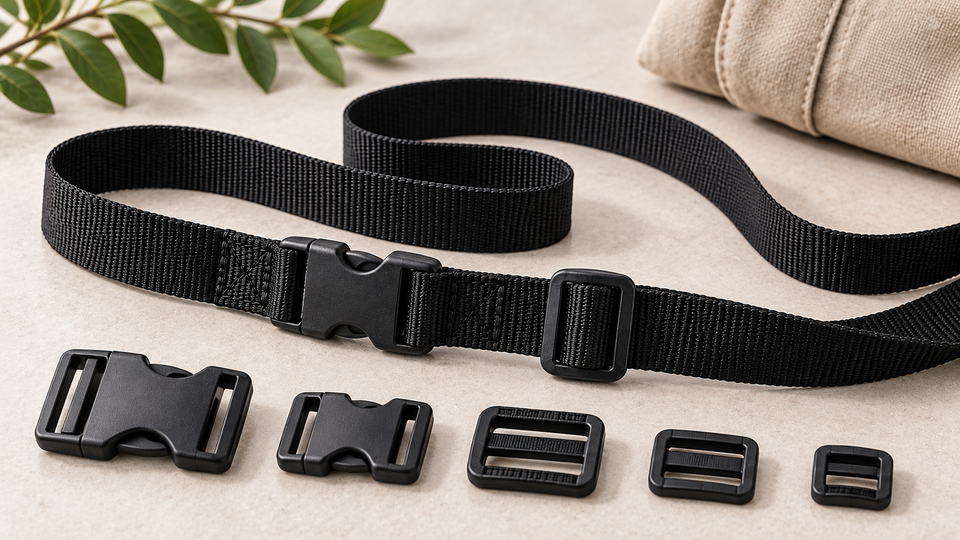
Select buckles and strap adjusters that fit your webbing, with coordinated materials, sizes and finishes for practical adjustable bags.
Explore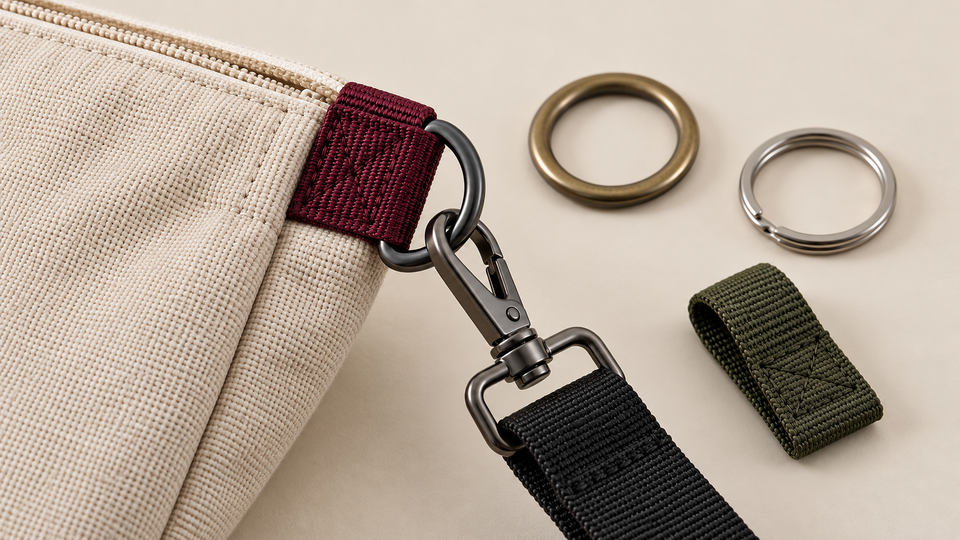
Add rings and sewn attachment points for straps, clips and accessories, with practical placement and reinforced mounting tabs.
Explore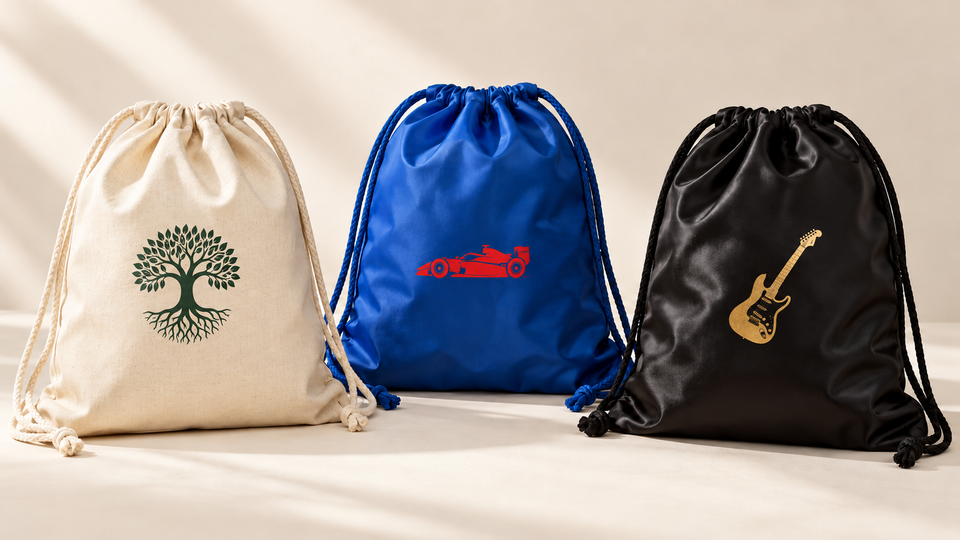
Give your bags a clear identity with screen-printed logos and artwork. Compare single-color and multicolor designs, metallic inks and raised effects, and learn how fabric and print detail affect the result.
Explore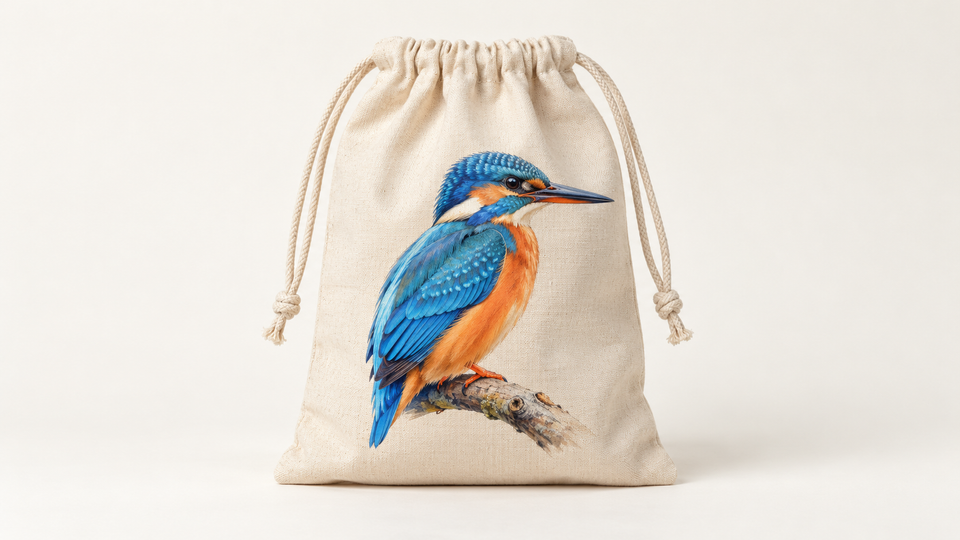
Heat-transfer printing adds detailed logos, gradients and full-color artwork to suitable bag fabrics. Compare print feel, placement and material limits to choose a transfer that suits your design.
Explore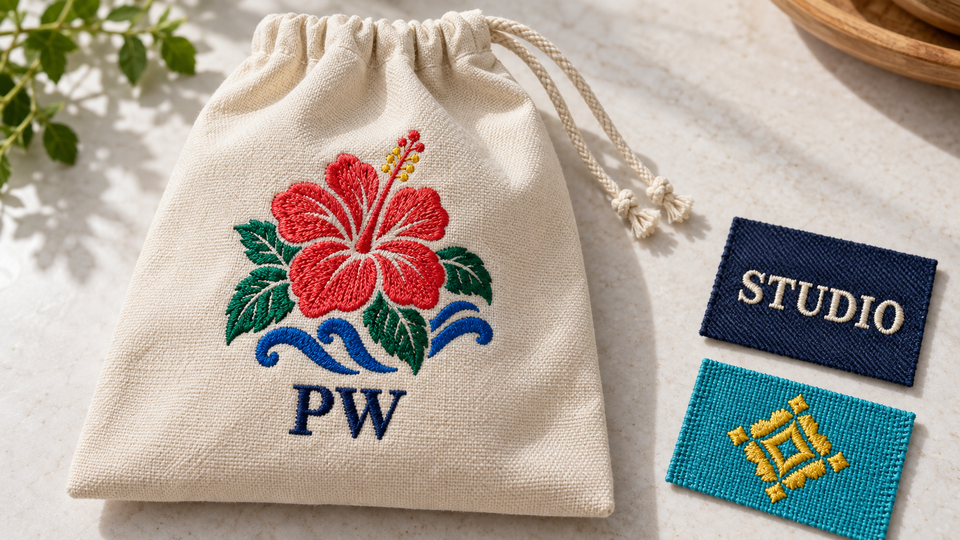
Embroidery adds stitched logos, lettering and decorative motifs to bags. Compare fabric suitability, artwork detail and placement, and understand how thread choices and backing affect the finished result.
Explore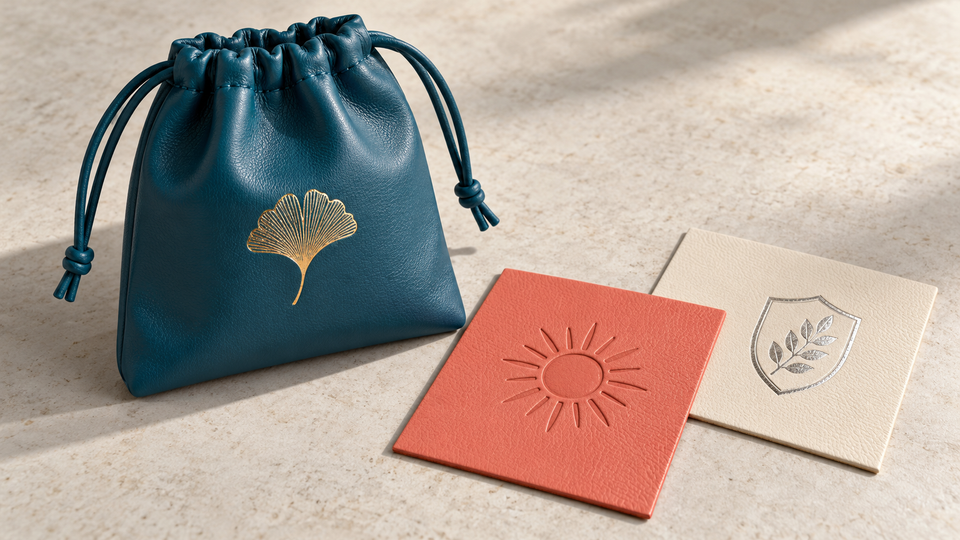
Foil stamping adds metallic or colored logos, while debossing creates recessed branding. Compare their appearance, surface requirements and artwork options to choose a suitable finish for your bag.
Explore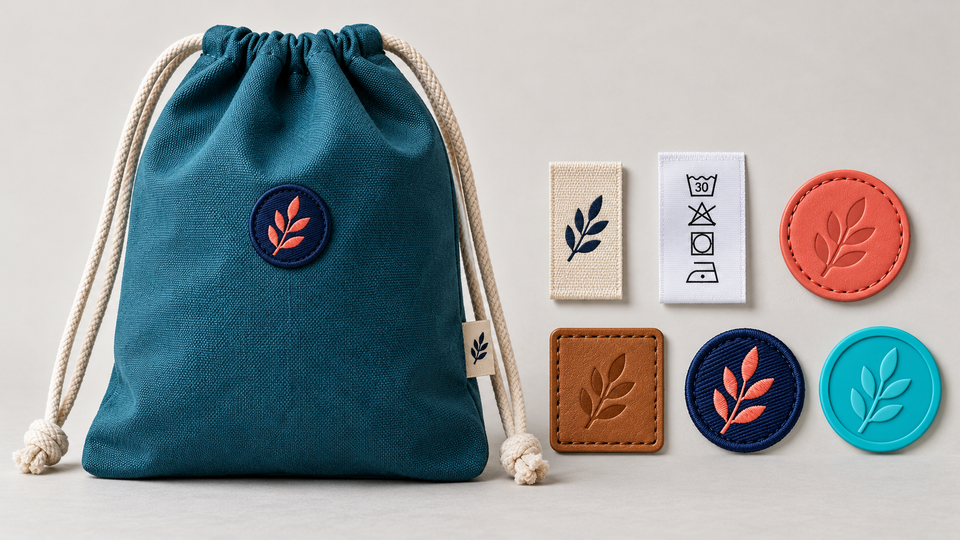
Compare woven and printed labels with leather, PU, embroidered and silicone patches. Choose a branding detail that suits your bag’s fabric, appearance and care needs, from a small seam tab to a larger patch.
Explore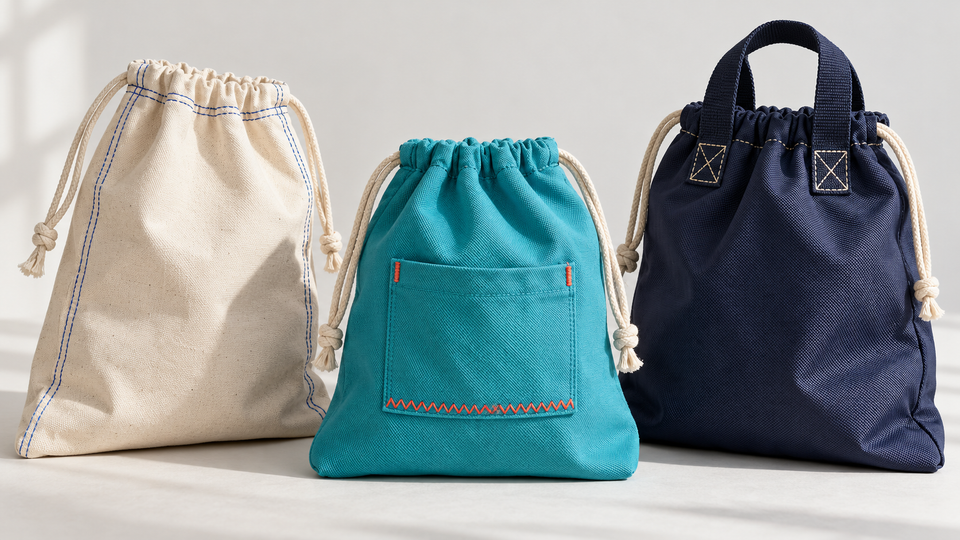
Compare contrast thread, visible topstitching and decorative patterns with bar tacks and box-and-cross reinforcement. Learn how stitching changes a bag’s appearance and supports attachment points, and what your fabric needs.
Explore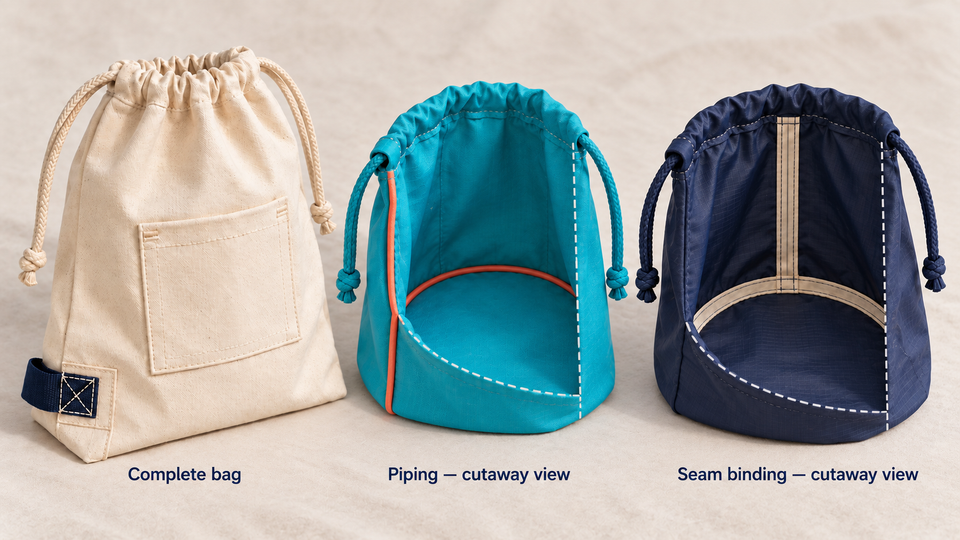
Compare reinforced stitching, internal seam finishes, piping and edge binding. Understand what each treatment does, where it belongs and how fabric choice affects the finish of your custom bag.
Explore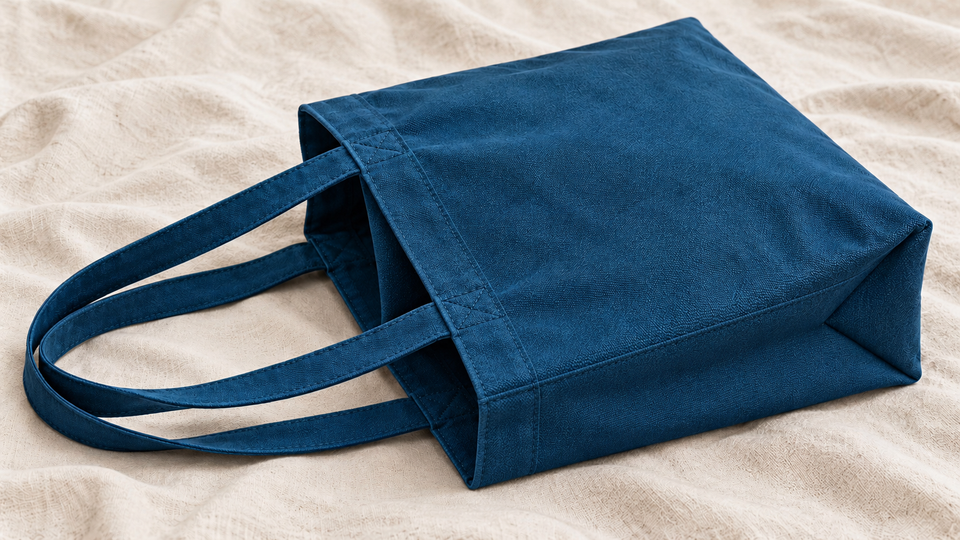
Gussets and shaped bases give bags depth and help them fit bulky products. Compare expanded bottoms, box gussets and round bases to choose a shape that suits your contents.
Explore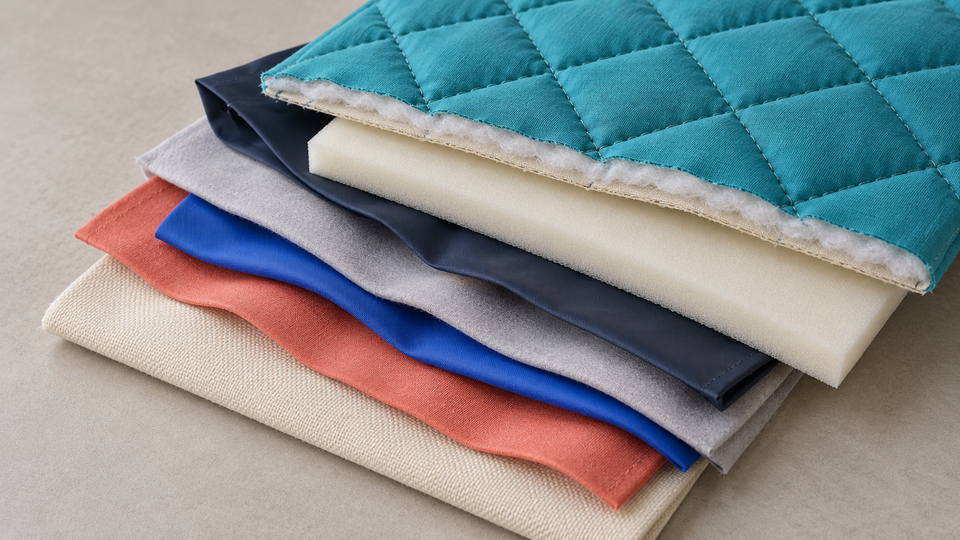
Linings change how a bag looks and feels inside. Compare matching, contrasting, soft and water-resistant fabrics, plus foam padding and quilting, to choose the right construction for your contents.
Explore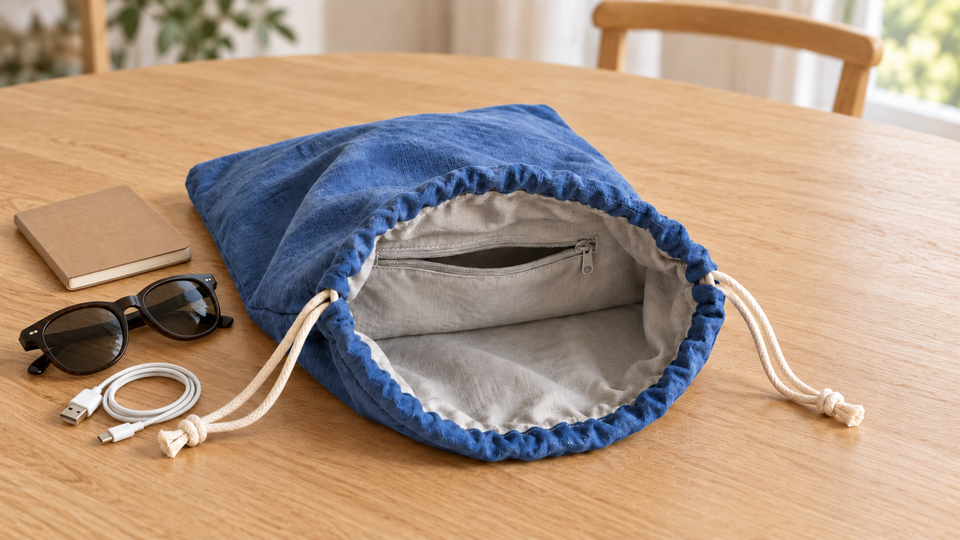
Slip pockets, zipped pockets, dividers and elastic loops give bag contents a place. Compare their uses and limitations to choose a layout that balances quick access, separation and usable space.
Explore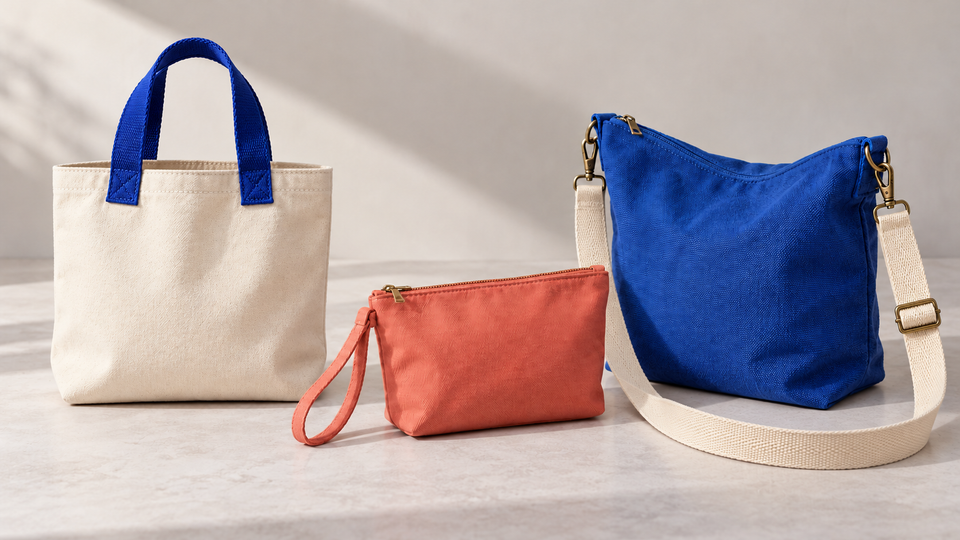
Compare carry handles, wrist loops and adjustable shoulder straps for custom bags. Learn how strap size, material and attachment affect comfort, convenience and suitability for different contents.
Explore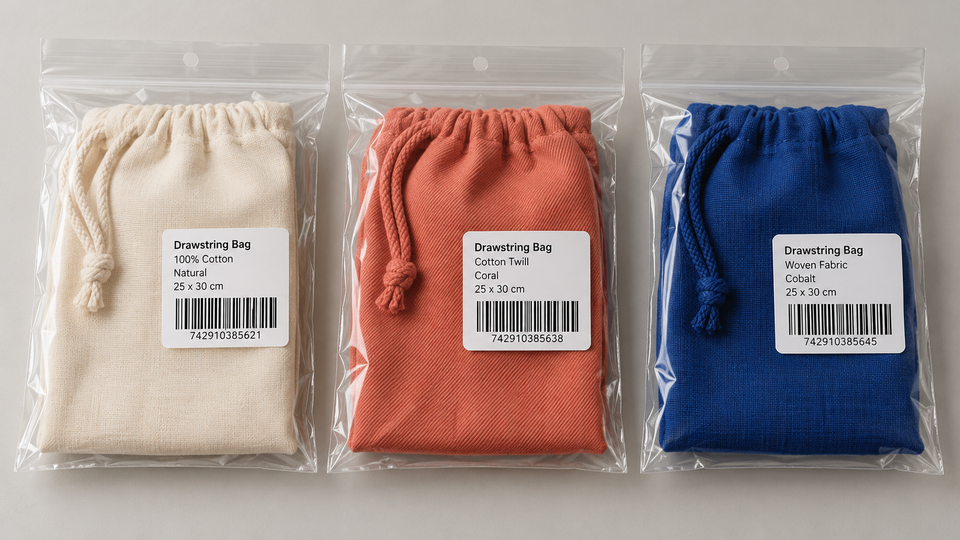
Understand the differences between FNSKU, UPC, EAN and internal SKU labels, and learn how label placement, product matching and packaging affect identification and scanning.
Explore